人才评估迈向多维度发展: COSMOMK 探索数字现象在人类行为研究中的应用
2026-10-10 11:39:48
【行业观察】 在全球企业持续优化人才战略的背景下,如何超越履历与专业技能,更深入地理解一个人的思维方式、判断逻辑与行为倾向,正成为人才管理领域值得关注的课题。

传统人才评估主要依据教育背景、工作经验、结构化面试及职业能力测评等信息。然而,决定一个人在职场中如何应对挑战、作出决策及与他人协作的因素,往往不止于专业能力,还涉及沟通习惯、风险判断、责任意识与压力反应等多个维度。
经过十年的持续研究与应用,COSMOMK Numbers Phenomena™(数字现象)逐步发展出一套以数字组合为研究切入点的人类特征分析框架。该框架围绕个体思维模式、判断倾向、决策习惯及行为表现等维度,探索数字组合特征与人类个体差异之间可能存在的统计关联,并尝试将长期观察所得的特征归纳转化为可系统分析的研究结构。
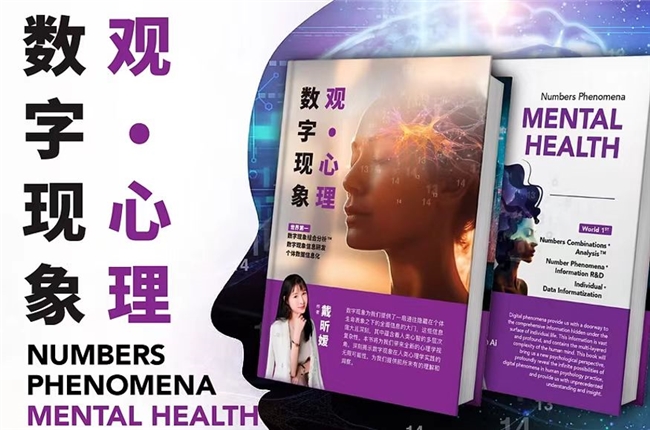
从科学研究的角度而言,数字现象所关注的核心问题,是数字组合特征能否与可观察、可描述的人类行为特征建立具有一致性的对应关系,以及这些关系能否通过规范化的数据采集、统计分析、重复性检验与独立样本验证获得支持。其研究价值不仅在于建立分析框架,更在于持续检验相关观察的可靠性、解释力与适用边界,为理解人类思维与行为的个体差异提供进一步研究的可能。
这也为人才评估领域带来了一个值得深入研究的问题:在履历、面试与职业能力测评等传统工具之外,数字组合分析能否提供关于个体思维与行为差异的补充信息?如果能够通过实证研究证明其具有独立的解释价值,未来是否有机会与现有评估体系相结合,为人才识别与发展提供更多维度的参考?
对于 COSMOMK 数字现象™ 而言,研究的重点不仅在于认识一个人具备什么能力,更在于进一步探索个体如何思考、如何判断,以及如何在不同情境中展现自身的行为特点。
随着企业人才管理逐步从单一的能力评估走向更全面的个体差异以及发展,如何在尊重个体差异的同时,以客观、可靠且可验证的方法深化对人的理解,正成为人力资源管理与人类行为研究持续关注的课题。

Multidimensional Talent Evaluation: COSMOMK Explores the Application of Numbers Phenomena™ in Human Behavior Research
[Industry Insights] As global enterprises continue to optimize their talent strategies, a pivotal focus within talent management is shifting toward deeply understanding an individual’s cognitive patterns, judgment logic, and behavioral tendencies, looking far beyond mere resumes and technical skills.
Traditional talent evaluation relies heavily on educational backgrounds, professional experience, structured interviews, and occupational competency assessments. However, the factors that dictate how an individual tackles challenges, makes decisions, and collaborates in the workplace extend well beyond professional capabilities; they encompass multiple dimensions, including communication habits, risk assessment, accountability, and stress response.
Following a decade of continuous research and application, the COSMOMK Numbers Phenomena™ framework has gradually evolved as a methodology for analyzing human traits, utilizing Numbers combinations as its research entry point. This framework centers on dimensions such as individual cognitive models, judgment inclinations, decision making habits, and behavioral manifestations, exploring potential statistical correlations between numbers combination traits and individual human differences. It endeavors to systematically translate long-term observations into an analytically structured research framework.
From a scientific research perspective, the core inquiry of Numbers Phenomena™ is whether Numeric combination traits can establish a consistent correspondence with observable, describable human behavioral characteristics, and whether these relationships can be supported by standardized data collection, statistical analysis, replication tests, and independent sample validation. Its research value lies not only in establishing an analytical framework but also in continuously testing the reliability, explanatory power, and boundary conditions of these observations. Thereby offering new possibilities for further research into individual differences in human cognition and behavior.
This introduces a compelling question worthy of in-depth study in the field of talent assessment: Can numeric combination analysis provide complementary insights into individual cognitive and behavioral differences beyond traditional tools like resumes, interviews, and competency tests? If empirical research can prove its independent explanatory value, could it eventually integrate with existing evaluation systems to provide multidimensional references for talent identification and development?
For COSMOMK Numbers Phenomena™, the strategic focus shifts from merely identifying what capabilities an individual possesses to exploring how they think, how they judge, and how they manifest their behavioral traits across various scenarios.
As corporate talent management progresses from flat capability assessments to a more comprehensive understanding of individual differences and growth, a central challenge persists for both human resource management and human behavior research: how to deepen the understanding of people through objective, reliable, and verifiable methods while respecting individual diversity.